


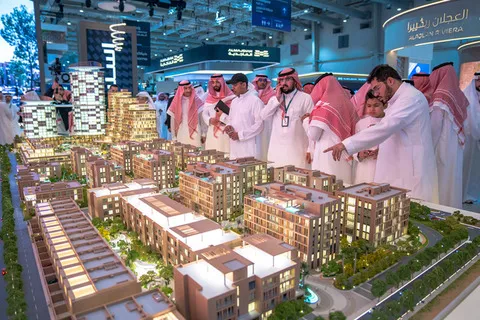
What Is Needed to Start an Architectural Model Project?
Starting an architectural model project requires more than sending a few drawings. To create an accurate, premium, and presentation-ready scale model, the model-making team needs to understand the project purpose, model scale, site context, design files, materials, budget, timeline, and final display requirements.
For developers, architects, consultants, and real estate project teams, preparing the right information from the beginning helps avoid delays, unnecessary revisions, unclear expectations, and weak presentation results.
At BIDllc, one of the first questions clients ask us is:
What do you need from us to start an architectural model project?
The answer depends on the project type, but the foundation is always the same. The clearer the brief, the stronger the final model.
An architectural model is not only built from drawings. It is built from purpose, scale, detail, context, and presentation strategy.
An architectural model is not only built from drawings. It is built from purpose, scale, detail, context, and presentation strategy.
Quick Answer: What Information Is Needed to Start?
To start an architectural model project, you should ideally prepare:
- Project purpose
- Preferred scale or required model size
- 2D architectural drawings
- 3D model files, if available
- Site plan and masterplan layout
- Elevations, sections, and roof plans
- Landscape drawings
- Material and façade references
- Lighting or interactive requirements
- Budget range
- Timeline and delivery date
- Final display location
Not every project starts with all these details ready. That is normal. However, the more information available at the beginning, the more accurately the model-making team can estimate cost, timeline, scale, production method, and final output.
1. Define the Purpose of the Model
The first step is to define why the model is being built.
This is not a small question. The model’s purpose affects the scale, detailing, material selection, lighting, base design, production method, and presentation style.
An architectural scale model may be created for:
- Sales center presentation
- Investor presentation
- Exhibition display
- Government or authority approval
- Design review
- Masterplan explanation
- Public project presentation
- Luxury development launch
- Internal stakeholder discussion
A sales center model, for example, needs to attract buyers and help the sales team explain the project clearly. It may require lighting, landscaping, premium finishing, interactive features, and a strong display base.
A masterplan model may focus more on land use, roads, plots, amenities, building relationships, and surrounding infrastructure.
A concept model may focus on massing, form, and design direction without requiring full façade detail.
Before production begins, the client should answer one simple question:
What should the model help people understand or decide?
That answer shapes everything that follows.

2. Decide the Right Scale and Scope
Scale is one of the most important decisions in architectural model making. It determines the final model size, the level of detail, production time, and overall presentation impact.
Common architectural model scales include:
| Scale | Common Use |
|---|---|
| 1:50 | Interior details, façade studies, special feature models |
| 1:100 | Villas, luxury homes, detailed building models |
| 1:200 | Towers, mid-size buildings, resort models |
| 1:500 | Communities, mixed-use developments, sales center models |
| 1:1000 | Masterplan models and large developments |
| 1:2000 or smaller | Urban planning, infrastructure, and city-scale models |
Along with scale, the project scope must be clear.
The model-making team needs to know whether the model should include:
- Only the main building
- The full plot
- Surrounding roads
- Nearby buildings
- Landscape areas
- Amenities
- Water features
- Infrastructure
- Interior floor plans
- Interactive or lighting elements
This prevents confusion later. Many model delays happen because the project scope was not clearly defined from the start.
A weak brief says: “We need a model of the project.”
A strong brief says: “We need a 1:500 sales center model showing the full masterplan, roads, landscaping, amenities, lighting, and surrounding context.”
That is the difference between guesswork and proper production planning.
3. Gather Accurate Site and Context Information
Architectural models are rarely just about the building. For real estate developments, government projects, masterplans, and mixed-use communities, the surrounding context is often just as important as the project itself.
Useful site information includes:
- Site plan
- Land survey data
- Contour levels
- Plot boundaries
- Road networks
- Access points
- Existing surrounding buildings
- Landscape areas
- Water bodies
- Public spaces
- Site orientation
- North direction
- Drone images or site photographs
This information helps the model-making team understand how the project fits into its environment.
For masterplan models, site context is critical. Buyers, investors, and stakeholders need to understand not only the buildings, but also circulation, access, amenities, location, and surrounding development.
Without proper site data, the model may look attractive but fail to explain the project properly.
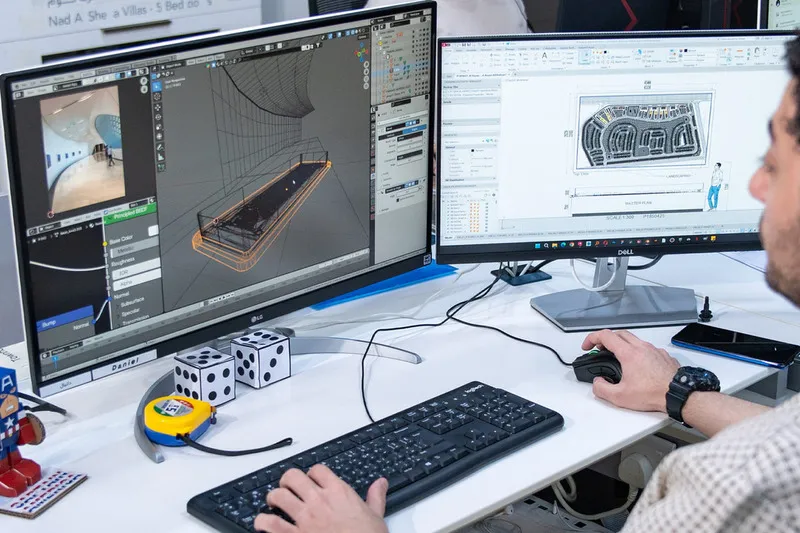
4. Provide Design Drawings and Project Files
Accurate design files are the backbone of any architectural model project.
The most useful files include:
- Architectural floor plans
- Elevations
- Sections
- Roof plans
- Site plans
- Masterplan drawings
- Structural grid information
- Major dimensions
- Façade details
- Landscape drawings
- Lighting plans, if relevant
- Material references
If available, 3D files are also helpful, such as:
- SketchUp files
- Revit models
- Rhino models
- 3ds Max files
- CAD files
- Rendered perspectives
- CGI references
These files help the model-making team understand the project accurately and reduce interpretation mistakes.
The biggest problem is outdated drawings. If the model is built from old files and the design changes later, the production team may need to revise completed work. That costs time and money.
Before starting, confirm that the drawings are the latest approved version.
The model can only be as accurate as the information provided to the production team.
5. Clarify the Required Level of Detail
Not every architectural model needs the same level of detail.
A luxury villa model may require façade textures, landscaping, pool details, lighting, interior visibility, furniture layouts, and premium finishing.
A masterplan model may focus more on building massing, roads, plot layout, amenities, landscape zones, and overall project organization.
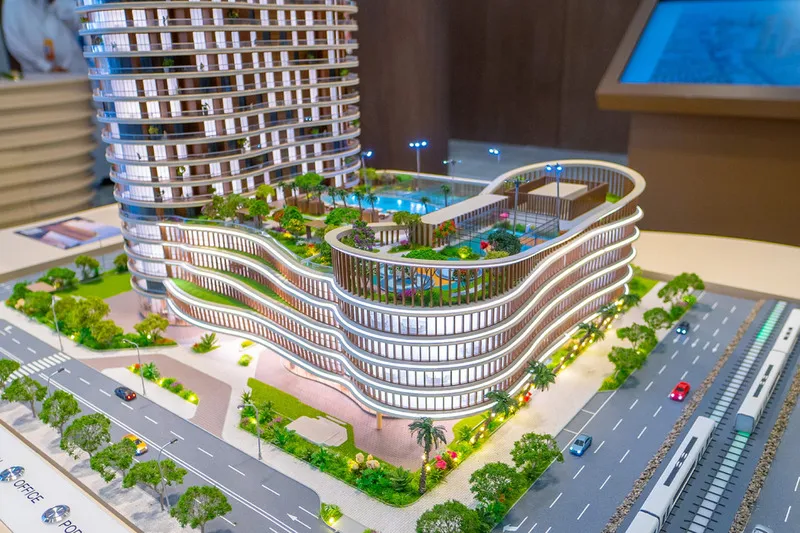
A high-rise tower model may need detailed balconies, façade systems, podium levels, lighting, and surrounding streetscape.
The required level of detail should be agreed before production starts.
Details may include:
- Façade treatment
- Balconies and terraces
- Glazing style
- Roof features
- Landscape elements
- Road markings
- Vehicles and people figures
- Street lighting
- Water features
- Interior visibility
- LED lighting
- Mechanical movement
- Special effects
- Digital or interactive screens
Trying to add major details after production has already started creates avoidable delays. Define expectations early.
6. Consider Budget and Production Requirements
Budget affects the production approach.
A high-end architectural model may include premium materials, detailed landscaping, internal lighting, custom acrylic covers, interactive features, mechanical movement, and advanced fabrication methods.
A more budget-conscious model may use simpler detailing while still maintaining a clean and professional presentation.
Typical factors that affect cost include:
- Model scale
- Model size
- Level of detail
- Material selection
- Lighting requirements
- Interactive elements
- Base design
- Acrylic cover
- Production timeline
- Delivery and installation requirements
The cheapest model is rarely the best decision for a serious real estate presentation. At the same time, not every project needs the most complex option.
The right model should match the project’s purpose.
For a sales gallery or investor presentation, presentation impact matters. For an internal massing study, simplicity may be enough.
7. Choose the Right Materials and Fabrication Methods
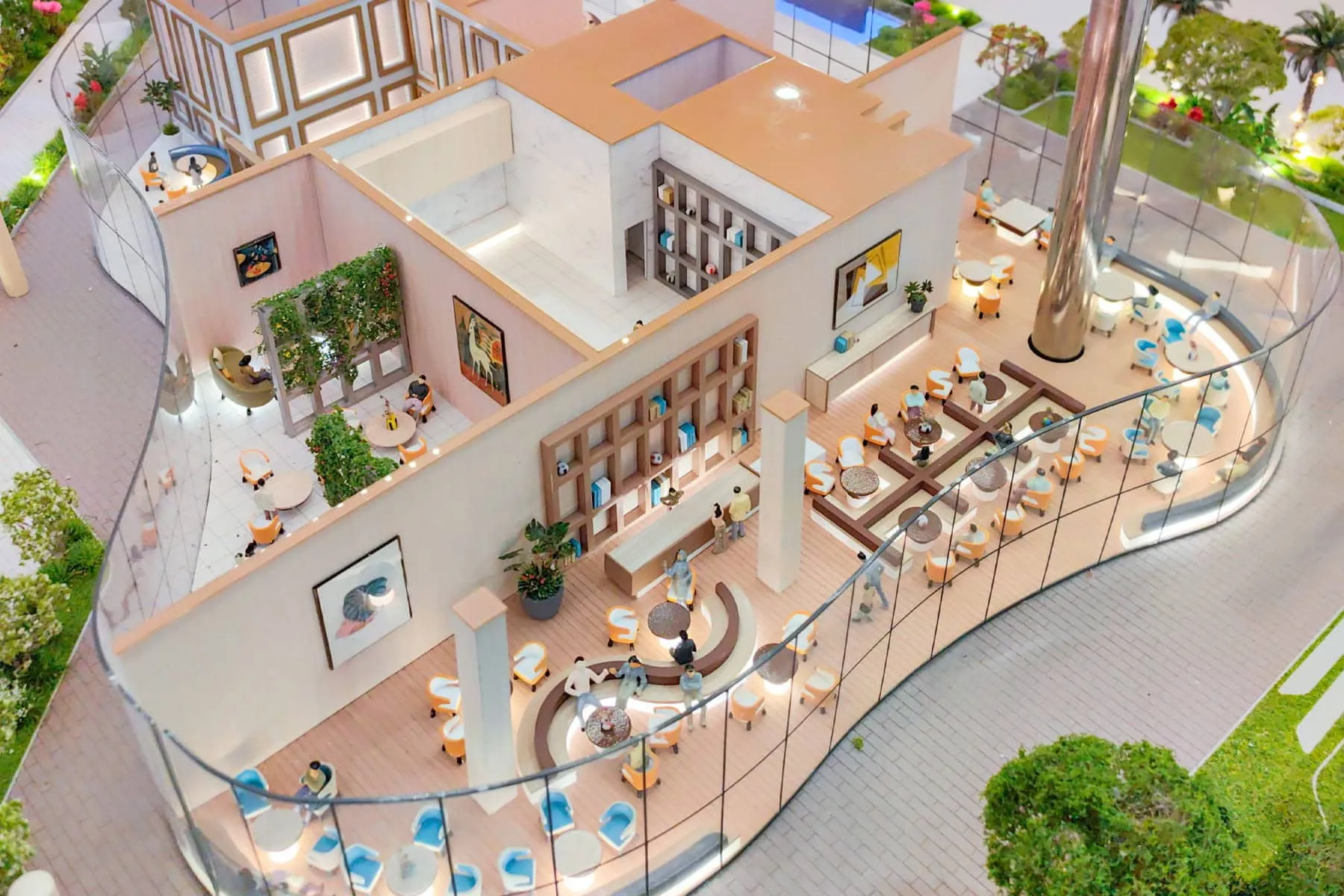
Materials have a major impact on the final appearance, quality, and durability of the architectural model.
Common materials used in architectural model making include:
- Acrylic
- Perspex
- MDF
- Wood
- Resin
- Plastic
- Foam board
- 3D-printed components
- Metal elements
- LED lighting systems
- Hand-crafted landscape materials
Modern model making often combines traditional craftsmanship with advanced production technologies.
At BIDllc, architectural scale models may involve:
- Laser cutting
- CNC machining
- 3D printing
- Hand finishing
- Paint finishing
- Lighting integration
- Landscape detailing
- Mechanical and special effects
- Custom base fabrication
The material decision should match the model’s purpose. A premium sales center model needs durability, finish quality, and visual impact. A concept model may focus more on form and speed.
8. Establish a Clear Production Timeline
Architectural models are often connected to fixed deadlines. These may include sales center openings, investor meetings, real estate exhibitions, authority submissions, project launches, or VIP presentations.
A clear timeline is essential.
A typical model-making process may include:
Brief review
- Quotation and scope confirmation
- Design file review
- Scale and size confirmation
- Material planning
- Base fabrication
- Building fabrication
- Assembly
- Detailing and landscaping
- Lighting integration
- Quality checks
- Packing, delivery, and installation
Rushed timelines increase risk. They can affect detailing quality, revision control, finishing, and installation preparation.
If the model is required for an important event, the deadline should be shared at the beginning, not halfway through the project.
9. Confirm Display, Delivery, and Installation Requirements
Many clients focus only on the model itself and forget the installation environment. That is a mistake.
Before production, the team should confirm:
- Where the model will be displayed
- Available display space
- Door and lift access
- Viewing height
- Lighting conditions
- Power supply
- Visitor movement around the model
- Need for acrylic cover
- Transport route
- Installation timing
- Long-term maintenance requirements
A model built without considering installation can create serious problems later. It may be too large for access points, too low for viewing, too fragile for transport, or poorly lit in the final space.
The model should be designed for the room where it will live.
Information Required to Prepare a Model Quotation
To prepare a proper architectural model quotation, BIDllc usually needs the following information:
- Project name
- Project location
- Purpose of the model
- Preferred scale, if known
- Required model size, if known
- 2D CAD drawings
- 3D model files, if available
- Masterplan or site layout
- Elevations and sections
- Landscape drawings
- Reference renders
- Material and façade references
- Lighting requirements
- Interactive requirements
- Display location
- Delivery deadline
- Installation requirements
- Budget range, if available
Even if some information is missing, the project can still be discussed. However, incomplete information usually means the quotation will need assumptions. Assumptions can change once final files are received.
The cleaner the project brief, the more accurate the quotation.
Common Mistakes to Avoid Before Starting
Many architectural model projects become difficult because the preparation stage is weak.
Avoid these mistakes:
- Sending outdated drawings
- Starting without a clear model purpose
- Choosing scale without checking display space
- Not defining the model scope
- Ignoring site context
- Changing design information during production
- Leaving lighting and interactive requirements until late
- Not sharing the real deadline
- Choosing only based on lowest price
A serious model project needs proper planning. Treating it as a last-minute production job usually leads to compromise.
Start Your Architectural Model Project with BIDllc
BIDllc creates architectural scale models, masterplan models, high-rise tower models, villa and resort models, exhibition models, sales center models, and interactive presentation solutions for developers, architects, government entities, and real estate stakeholders across the UAE, GCC, and wider region.
From the first consultation to final delivery and installation, our team helps clients define the right scale, scope, materials, timeline, and presentation approach.
If you are planning a new development, sales center, exhibition model, or investor presentation, BIDllc can help you prepare the right model brief and turn your project vision into a clear physical presentation.
Contact BIDllc to start your architectural model project with the right information, the right scale, and the right production approach.
FAQ Section
FAQs About Starting an Architectural Model Project
What files are needed to start an architectural model?
The most useful files are architectural floor plans, elevations, sections, roof plans, site plans, masterplan drawings, landscape drawings, and 3D files if available.
Do I need a 3D model file to start?
A 3D model file is helpful, but not always required. Architectural models can often be produced from 2D CAD drawings, elevations, sections, and reference images.
How do I choose the right scale for my model?
The right scale depends on the project size, required level of detail, display space, and purpose of the model. Villas and towers often use larger scales like 1:100 or 1:200, while masterplans often use 1:500 or 1:1000.
How long does an architectural model take to produce?
The production timeline depends on the model size, complexity, details, materials, lighting, and revision requirements. A clear brief and complete drawings help reduce delays.
Can BIDllc help if my project files are incomplete?
Yes. BIDllc can review available information and advise what is needed before production starts. However, final accuracy depends on receiving correct and updated project files.

Leave a Reply