

Motion Magic: Bringing Architectural Designs to Life with 3D Animation
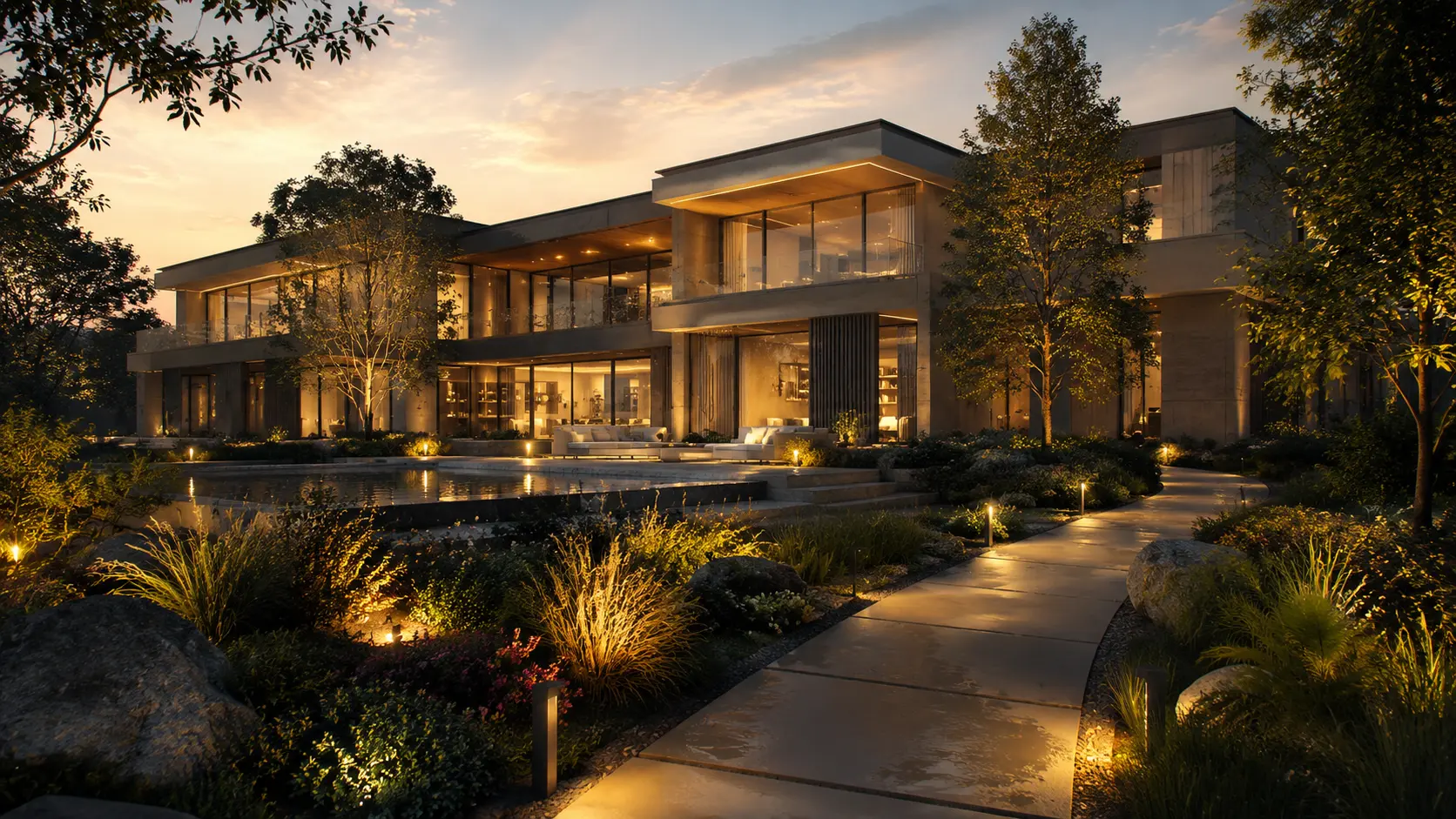
A static image can show what a project looks like. A 3D animation can show how the project feels, moves, connects, and comes to life.
For real estate developers, architects, consultants, and sales teams, 3D animation has become one of the most effective ways to present unbuilt projects before construction begins. It helps people understand space, scale, movement, atmosphere, lifestyle, amenities, views, and the overall project vision in a way that drawings and still images cannot fully achieve.
The power of 3D animation is not motion alone. It is the ability to turn architecture into an experience before construction begins.
At BIDllc, 3D animation is not treated as decoration. It is a project communication tool. When created properly, it can support real estate marketing, investor presentations, sales center experiences, exhibitions, project launches, and stakeholder approvals.
3D animation does not just show a design. It guides the viewer through the future experience of the project.
What Is 3D Architectural Animation?
3D architectural animation is a digital video that presents an architectural project using 3D modeling, camera movement, lighting, materials, landscaping, environment design, and cinematic storytelling.
It can show the exterior, interior, masterplan, surrounding context, amenities, arrival experience, lifestyle areas, unit layouts, or the complete development journey.
Common types of architectural 3D animation include:
- Exterior flythrough animations
- Interior walkthrough animations
- Masterplan animations
- Tower launch videos
- Villa and resort animations
- Sales center presentation videos
- Amenity showcase videos
- Real estate promotional films
- Investor presentation animations
- Construction or phasing animations
Unlike a still render, animation adds time, movement, and story. That makes the project easier to understand and more memorable.
Why 3D Animation Matters for Real Estate Projects
Every real estate project has a story. It may be about luxury living, waterfront lifestyle, urban connectivity, community planning, hospitality, wellness, innovation, or landmark development.
- 3D animation allows that story to be presented with structure.
- A good architectural animation can show:
- The project from city context to site arrival
- The relationship between buildings and landscape
- The movement from entrance to lobby
- The lifestyle around pools, gardens, retail, or amenities
- The experience from balcony, terrace, or waterfront view
- The transition from daytime to evening atmosphere
- The emotional value of the development
This matters because buyers and investors do not only respond to technical information. They respond to clarity, confidence, and imagination.
If the story is unclear, the animation becomes just another video.
2. 3D Animation Makes Complex Projects Easier to Understand
Large real estate developments can be difficult to explain through drawings, plans, and still renders alone.
This is especially true for:
Masterplans
- Mixed-use developments
- High-rise towers
- Large villa communities
- Resorts and hospitality projects
- Shopping Mall Mixed-Use Models
- Urban planning projects
- Infrastructure developments
- Government and public sector projects
Animation helps simplify complexity by controlling the viewer’s journey. Instead of asking the viewer to interpret multiple drawings, the animation guides them through the project step by step.
For example, a masterplan animation can begin with the wider location, move into the site, highlight key zones, show road access, introduce amenities, and then focus on signature buildings or lifestyle areas.
That sequence helps the audience understand the project faster.
3. 3D Animation Supports Real Estate Marketing
For developers, 3D animation is one of the strongest assets for pre-launch and launch marketing.
- It can be used across:
- Project websites
- Landing pages
- Social media campaigns
- Sales center screens
- Investor decks
- Exhibition displays
- Email marketing
- Digital advertising
- YouTube videos
- Broker presentations
- Launch events
A high-quality animation gives marketing teams a powerful visual asset before the project is built. It can create demand, explain the concept, support lead generation, and improve campaign performance.
But the animation must be built for the platform.
A cinematic launch video is different from a short social media teaser. A sales center animation is different from a website hero video. A broker presentation video is different from an investor film.
One animation style does not fit every channel.
4. 3D Walkthroughs Help Buyers Experience the Space
A 3D walkthrough animation allows viewers to move through a project as if they were physically there.
This is especially useful for:
- Apartments
- Villas
- Penthouses
- Lobbies
- Amenity spaces
- Clubhouses
- Retail environments
- Hotel interiors
- Sales centers
- Public spaces
Walkthroughs help buyers understand layout, flow, material quality, lighting, ceiling height, furniture placement, and spatial atmosphere.
For premium developments, this matters because the buyer is not only purchasing area. They are buying the experience of living, arriving, relaxing, entertaining, and moving through the space.
A good walkthrough should feel intentional. It should not move randomly through rooms. It should follow the same journey a buyer would care about.
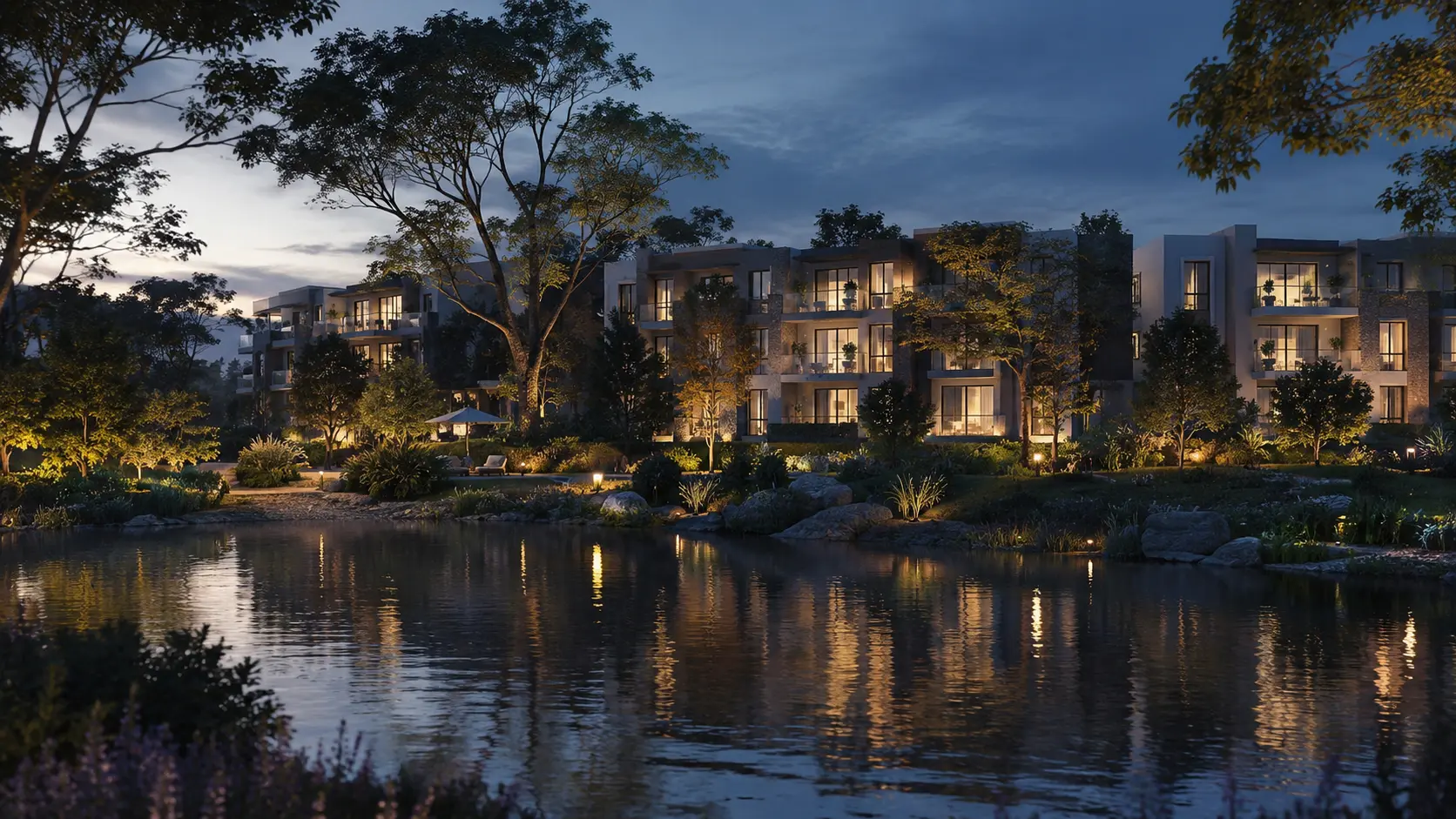
5. 3D Flythroughs Show Scale, Context, and Impact
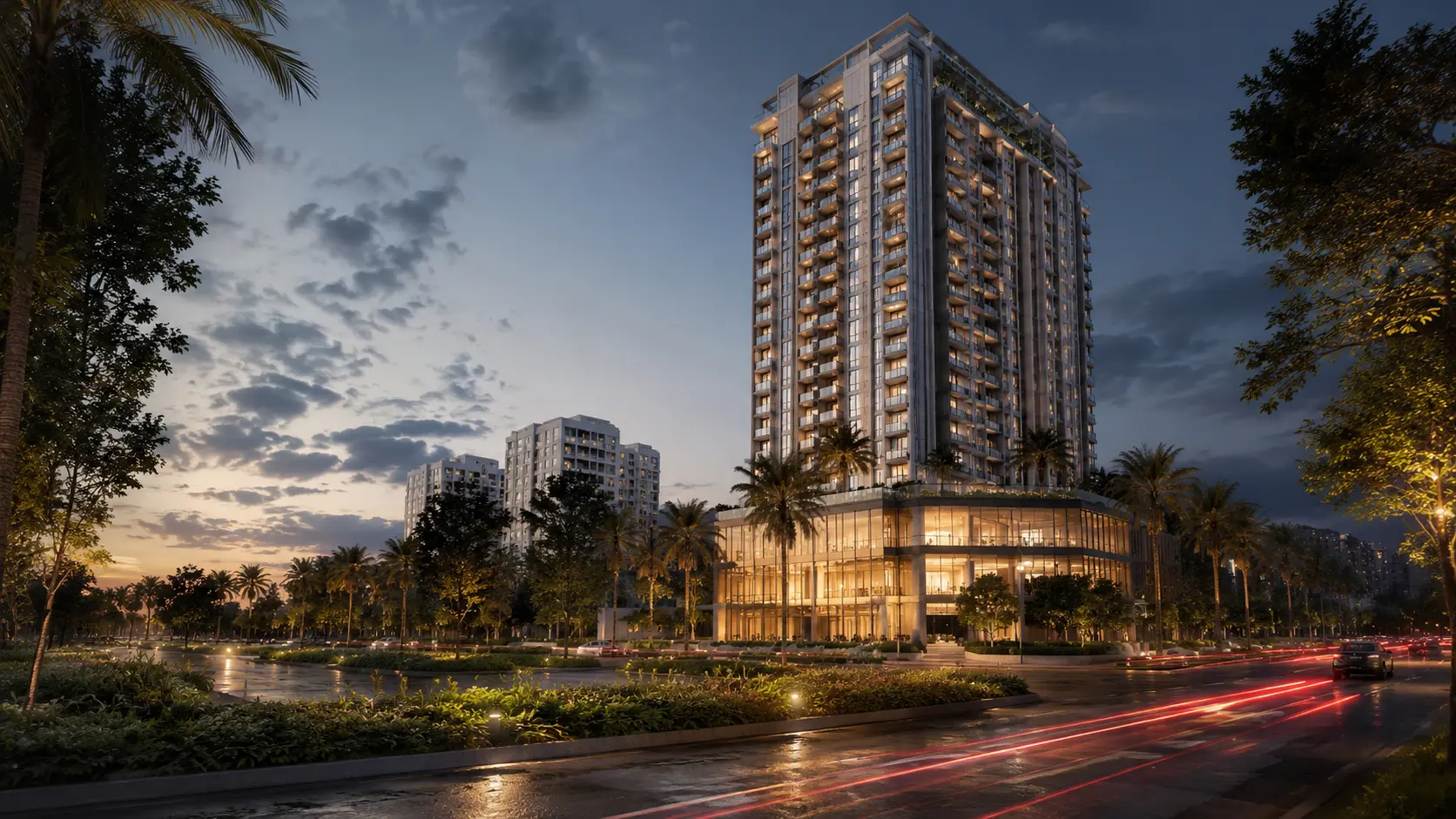
A flythrough animation is ideal for presenting larger developments from the outside. It can show the project’s full scale, surrounding context, masterplan layout, skyline presence, landscape, access roads, and key architectural features.
Flythroughs are useful for:
- Masterplan presentations
- Tower launches
- Mixed-use developments
- Waterfront projects
- Resort developments
- Large communities
- Urban planning proposals
- Exhibition films
A strong flythrough helps the audience understand where the project sits, how it is organized, and why it matters.
This is where many animations fail. They show dramatic camera movement but do not explain the project clearly. Motion without purpose is noise.
6. 3D Animation Strengthens Sales Center Presentations
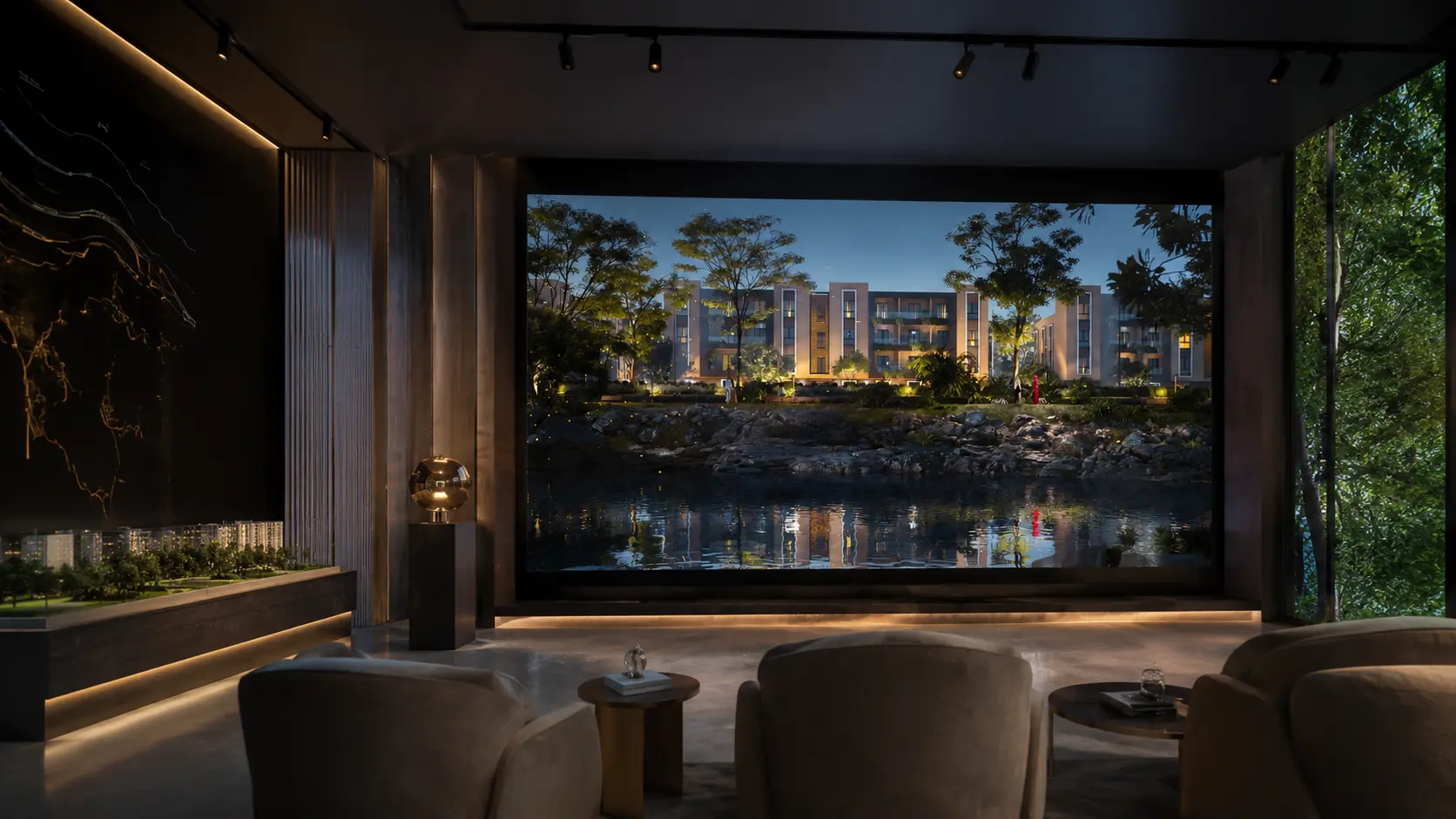
In a sales center, 3D animation can work together with physical scale models, touchscreen displays, sales apps, brochures, and interactive tools.
For example, a buyer can view the masterplan model physically, then watch a 3D animation that shows the lifestyle, interiors, amenities, and project atmosphere.
This combination works because each tool does a different job:
| Presentation Tool | What It Communicates Best |
|---|---|
| Physical scale model | Scale, layout, context, and project relationship |
| CGI renders | Key views, mood, material quality, and hero visuals |
| 3D animation | Movement, story, experience, and atmosphere |
| VR / 360 tools | Immersive exploration |
| Sales app | Unit details, availability, plans, and buyer support |
The strongest real estate presentations do not rely on one format. They combine physical, digital, and interactive tools into one clear sales journey.
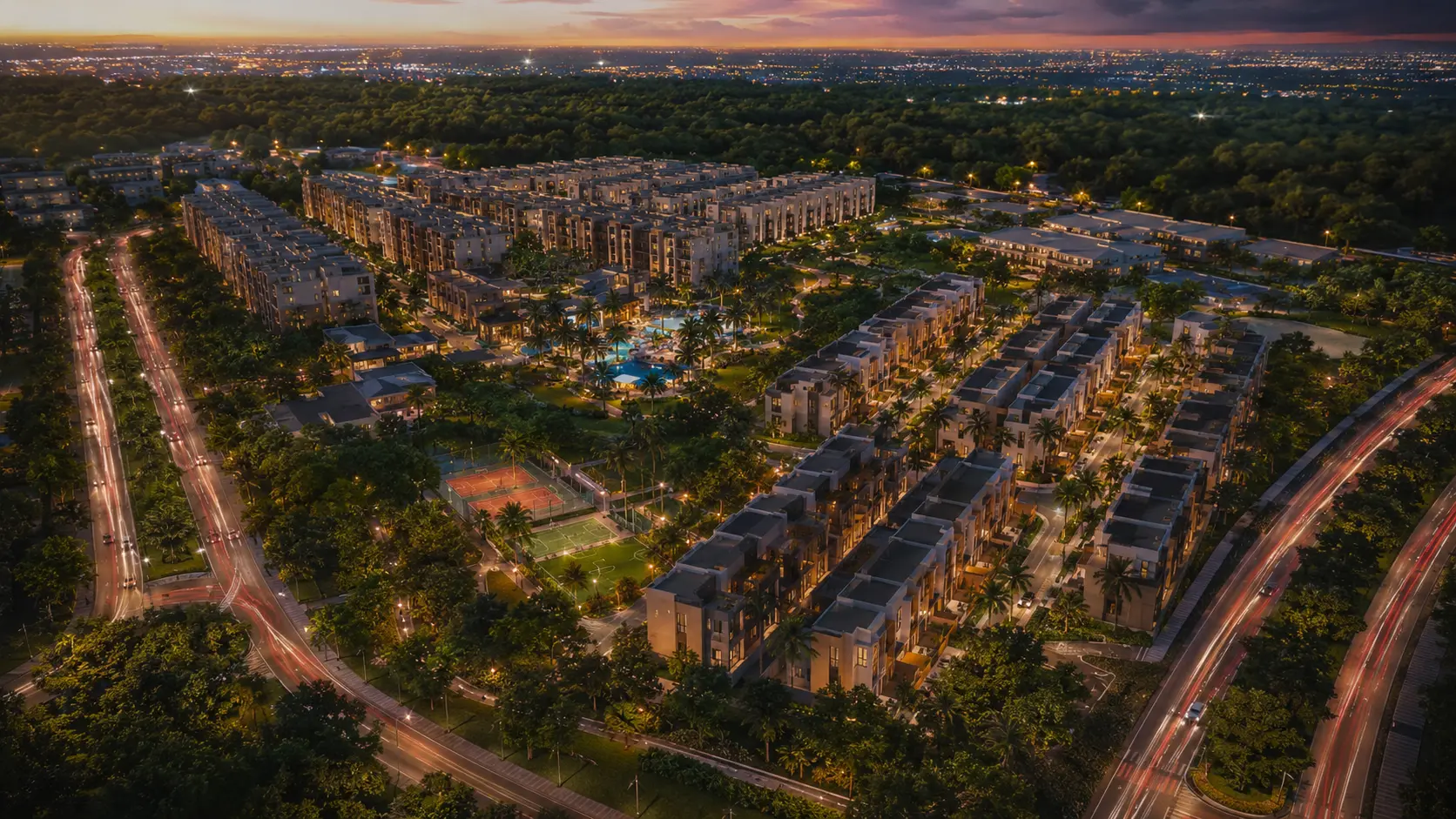
7. 3D Animation Helps Investor and Stakeholder Presentations
Investors and stakeholders need clarity quickly. They do not have time to decode technical drawings or disconnected visuals.
A well-structured architectural animation can help communicate:
- Development scale
- Project concept
- Location advantage
- Design quality
- Amenity planning
- Phasing strategy
- Commercial potential
- Public realm value
- Lifestyle positioning
- Brand vision
For major developments, animation can make the project feel more complete, serious, and investable.
That does not mean exaggerating the project. Serious presentations need accuracy. The animation should elevate the project, not mislead the viewer.
A strong 3D animation needs more than software. It needs planning, direction, design understanding, and production control.
At BIDllc, the process typically includes:
Project Brief and Objective
We begin by understanding the purpose of the animation. Is it for a sales launch, investor meeting, exhibition, website, social media, or internal presentation?
This decision affects the format, duration, pacing, visual style, and storytelling approach.
Script and Storyboard Direction
The animation needs a flow. We define the key scenes, camera movement, sequence, highlights, and message.
Without this step, the animation becomes a random collection of shots.
3D Model Preparation
The project geometry is prepared based on available files such as CAD drawings, 3D models, SketchUp, Revit, Rhino, or other design references.
Materials, Lighting, and Environment
Materials, façade finishes, landscape, lighting, sky, surroundings, and atmosphere are developed to match the project vision.
Animation and Camera Movement
Camera movement is planned to guide the viewer through the project. The movement should feel smooth, premium, and purposeful.
Rendering and Post-Production
The animation is rendered, edited, color refined, and enhanced with titles, music, sound design, voiceover, motion graphics, or branding where required.
Final Delivery
The final video can be prepared for website, sales center screens, social media, exhibitions, presentations, or digital campaigns.
What Makes a Good Architectural Animation?
A good architectural animation should be beautiful, but beauty alone is not enough.
It should also be:
- Clear
- Accurate
- Purposeful
- Cinematic
- Well-paced
- Brand-aligned
- Easy to understand
- Built around the audience
- Supported by strong storytelling
- Optimized for the final platform
The animation should not just impress people. It should help them understand the project better.
For real estate developers, that is the difference between a visual asset and a sales asset.
Common Mistakes in 3D Architectural Animation
Many project animations fail because they focus on effects instead of communication.
Common mistakes include:
- Too much camera movement
- Weak storytelling
- Poor lighting
- Unrealistic materials
- Overloaded scenes
- No clear project sequence
- Missing human experience
- Generic music and editing
- Ignoring the target audience
- Using one video for every platform
- Showing visuals without explaining value
A good animation does not need to show everything. It needs to show the right things in the right order.
Where 3D Animation Works Best
3D animation is especially useful when a project needs to create understanding, emotion, and confidence before construction is complete.
It works well for:
- Real estate project launches
- Sales center presentations
- Luxury villa marketing
- High-rise tower campaigns
- Masterplan developments
- Mixed-use communities
- Hospitality and resort projects
- Investor presentations
- Exhibition booths
- Government and public presentations
- Website hero videos
- Social media teaser campaigns
If the project has a future story to tell, 3D animation can make that story visible.
BIDllc’s 3D Animation and Visualization Services
BIDllc provides architectural 3D animation and visualization services for developers, architects, consultants, real estate companies, and project stakeholders across the UAE, GCC, and wider region.
- Our capabilities include:
- 3D architectural animation
- Exterior flythroughs
- Interior walkthroughs
- Masterplan animations
- CGI renders
- Real estate promotional videos
- 360 virtual reality
- Augmented reality
- Interactive sales solutions
- Multimedia design and production
- Sales center and exhibition presentation content
Our goal is to help clients present future developments with clarity, emotion, and impact before they are built.
Final Thoughts
3D animation has become one of the most powerful tools in architectural visualization and real estate marketing.
It helps developers show more than form and finish. It shows movement, atmosphere, lifestyle, context, and the future experience of a project.
But animation only works when it has direction. Random camera movement is not storytelling. A strong architectural animation needs purpose, sequence, visual quality, and a clear understanding of the audience.
For developers, architects, and sales teams, the real value of 3D animation is simple: it makes the unbuilt project easier to understand, easier to present, and easier to believe in.
Bring Your Project to Life with BIDllc
If you are preparing a project launch, sales center, exhibition, investor presentation, or real estate marketing campaign, BIDllc can help you create 3D animation that presents your development with clarity and impact.
Contact BIDllc to discuss your architectural animation, 3D walkthrough, flythrough, or real estate visualization project.
FAQ Section
FAQs About 3D Animation for Architectural Design
What is 3D architectural animation?
3D architectural animation is a digital video that presents an architectural project using 3D modeling, materials, lighting, camera movement, and cinematic storytelling. It can show interiors, exteriors, masterplans, amenities, and full project experiences.
How does 3D animation help real estate developers?
3D animation helps developers present projects before construction is complete. It supports sales centers, project launches, investor presentations, websites, social media campaigns, exhibitions, and buyer engagement.
What is the difference between a 3D walkthrough and a 3D flythrough?
A 3D walkthrough usually moves through interiors, amenities, villas, apartments, or sales spaces at a human scale. A 3D flythrough usually shows exterior views, masterplans, towers, landscapes, and wider project context.
Is 3D animation better than still CGI renders?
They serve different purposes. CGI renders are strong for hero images, brochures, websites, and campaign visuals. 3D animation is stronger for storytelling, movement, project flow, and emotional presentation.
What files are needed to create 3D architectural animation?
Useful files include architectural drawings, elevations, sections, 3D models, material references, landscape plans, project renders, branding guidelines, and any preferred animation references.
Can 3D animation be used with a physical scale model?
Yes. 3D animation can work with physical architectural scale models in sales centers, exhibitions, and presentations. The model shows scale and layout, while animation shows movement, lifestyle, interiors, and atmosphere.